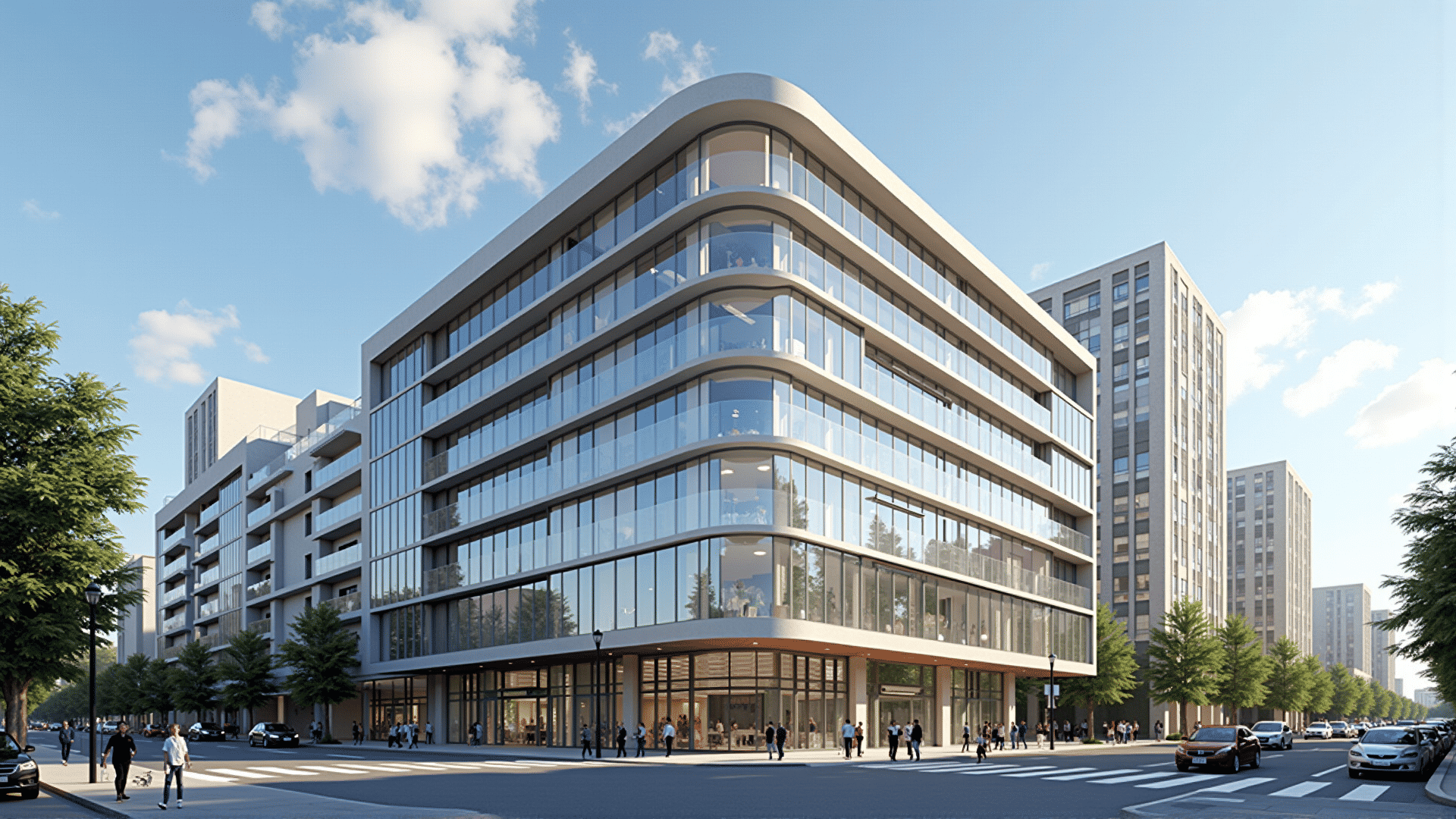
In the realm of modern architecture, windows have become much more than mere openings for light and ventilation; they are now crucial elements in the aesthetic and functional dynamics of a building. Over the last few decades, advancements in window technology and design have significantly transformed urban landscapes and the experience of indoor environments.
Traditionally, windows served basic purposes – to illuminate spaces and allow for airflow. However, contemporary architecture embraces windows as integral components that enhance both form and function. As skyscrapers dominate cityscapes, architects have increasingly used expansive glass façades to create sleek, modern buildings that blur the lines between indoor and outdoor spaces. This approach not only elevates the visual impact of structures but also maximizes natural light, which can dramatically alter the ambiance of interior spaces.
Technological innovation has been at the heart of this evolution, introducing structural and functional enhancements that redefine how windows interact with their surroundings. High-performance glazing solutions, for instance, incorporate multiple layers of glass with advanced coatings to significantly improve energy efficiency. These technologies help regulate internal temperatures and reduce the reliance on artificial heating and cooling systems, which is particularly advantageous in urban settings where sustainable practices are highly valued.
Moreover, smart glass technology offers transformative potential by allowing windows to adapt to changing environmental conditions. Electrochromic and photochromic glasses can alter their transparency levels in response to light intensity or can be manually controlled through smartphones, providing occupants with unprecedented control over privacy and solar gain. This adaptability promotes a dynamic interaction with one's environment, enhancing comfort while also contributing to the energy efficiency of the building.
In terms of design, windows have embraced versatility, allowing architects to experiment with forms and placements that break away from conventional styles. From asymmetrical shapes to floor-to-ceiling glass walls, windows are now a tool of artistic expression that can dramatically influence a building's character. Such innovation supports the trend of open-plan spaces and fosters a sense of connectivity within densely populated urban areas.
Another compelling development has been the integration of sustainable materials in window design. Frameless and minimalistic designs often employ recycled materials, while advanced insulation materials reduce carbon footprints without compromising on style or functionality. This consideration of environmental impact underlines a broader shift toward eco-friendly architecture, where windows play a pivotal role.
Ultimately, the evolution of windows in modern architecture is a testament to human ingenuity and an ongoing commitment to creating harmonious living spaces. As cities continue to grow and adapt to the demands of contemporary life, the importance of integrating these advanced window solutions will only become more pronounced. By enhancing aesthetics, improving energy efficiency, and promoting sustainable practices, windows are set to remain a cornerstone of architectural innovation.