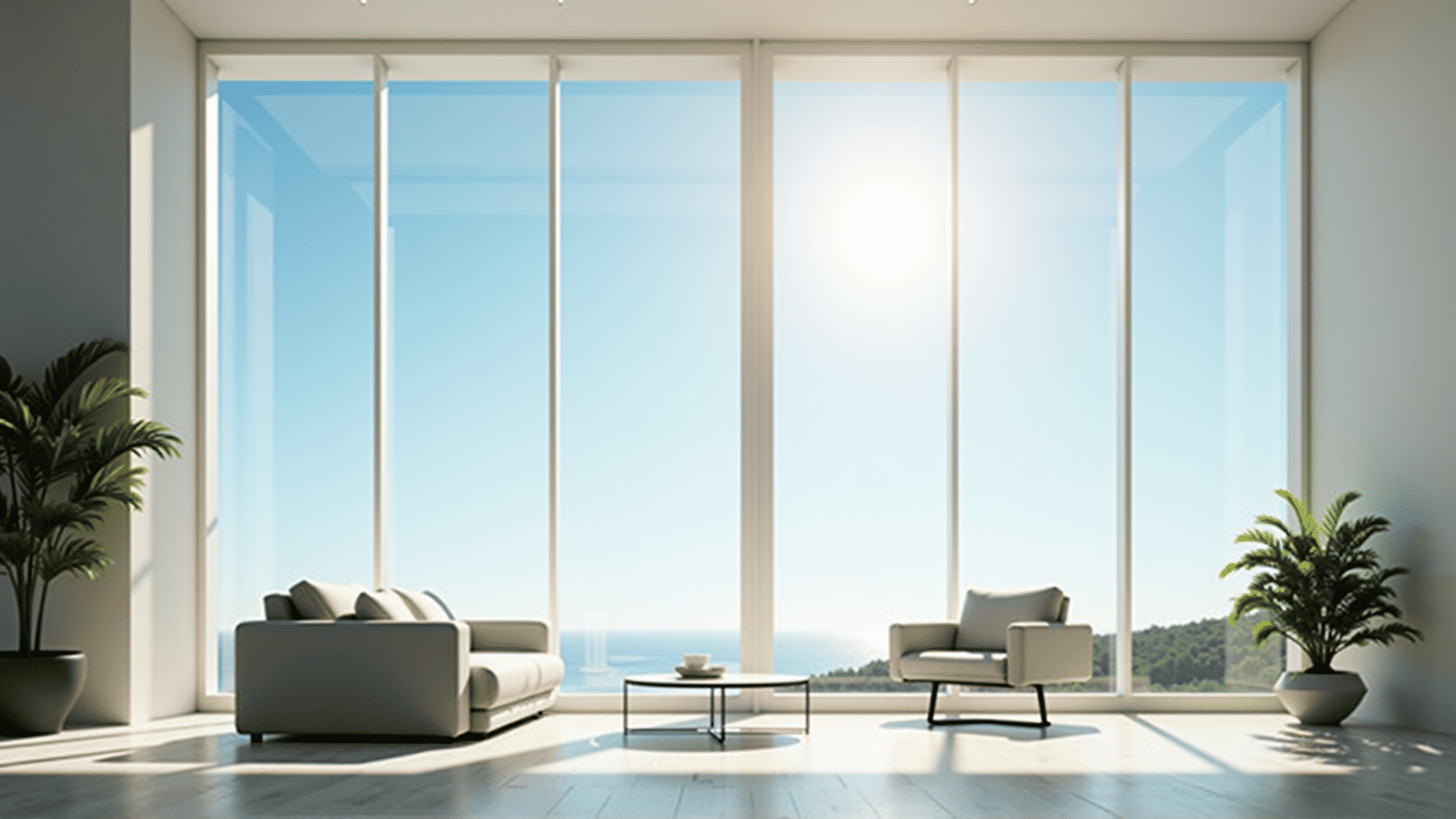
Windows play a crucial role in defining the ambiance of a building, significantly impacting both its interior and exterior allure. Serving as more than mere openings or sources of light, windows are integral to the architectural composition and can transform spaces by enhancing aesthetics, improving functionality, and connecting interiors with the external environment.
From an architectural perspective, windows are essential in shaping the appearance of a building. Their design, size, and placement are all pivotal in creating visual harmony and balance. Large, panoramic windows, for example, can craft a modern and sleek look, inviting scenic vistas into living or workspaces. On the other hand, small, geometrically shaped windows can contribute to a more traditional or unique facade, adding character and charm.
Internally, windows significantly influence the atmosphere by allowing natural light to permeate rooms. This natural illumination can enhance mood and well-being, creating spaces that are invigorating and inviting. The quality and direction of light play essential roles; south-facing windows, for instance, allow an abundance of sunlight, warming interiors and contributing to a cheerful ambiance. Conversely, north-facing windows often provide softer, indirect light, ideal for spaces requiring a calm and serene environment.
Moreover, the materials and treatment of windows influence the internal climate and ambiance. Double-glazed or adequately insulated windows help regulate indoor temperatures, ensuring spaces remain comfortable across seasons. Tinted or treated glass can affect the brightness and warmth of incoming light, allowing customization of mood settings in various rooms.
Windows also serve as vital connectors to the world outside. Strategically placed, they frame views of nature, urban landscapes, or bustling streets, allowing inhabitants to feel a sense of openness and connection with their surroundings. This interaction fosters a dynamic living experience where the boundary between indoors and outdoors feels seamless.
In addition to enhancing visual and atmospheric qualities, windows affect the acoustics and ventilation of a building. By allowing fresh air to circulate, they breathe life into interior spaces while also being pivotal in mood regulation and health. When coupled with thoughtful soundproofing solutions, windows can either welcome the musical melody of the city or shut out unwanted noise, offering a sanctuary of peace.
In essence, windows are architectural keystones that influence a building’s aura. They are fundamental in crafting the visual identity and emotional resonance of spaces, underscoring their importance in design and planning. Beyond mere functionality, windows hold the power to shape ambiance, merging form and function to create environments that resonate with beauty and practicality.