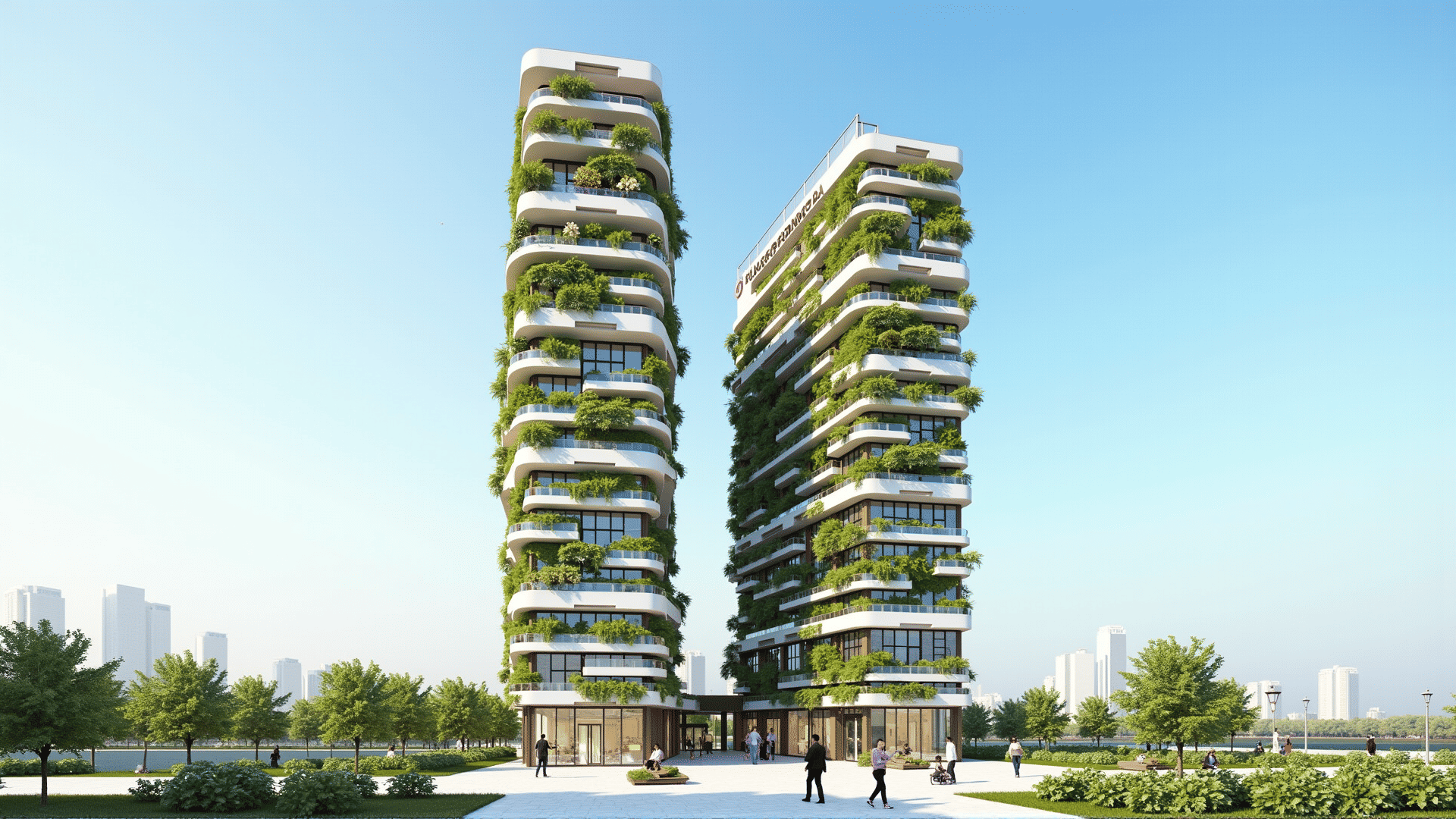
In recent years, the spotlight has shifted towards sustainable architecture, with growing emphasis on designing buildings that are not only visually captivating but also environmentally responsible. Facades, the exterior faces of structures, play a crucial role in this movement. By focusing on sustainable facade design, architecture can harmonize aesthetics with eco-friendly practices, paving the way for a more sustainable future.
A key aspect of sustainable facade design is the choice of materials. Conventional materials, often resource-intensive and detrimental to the environment, are increasingly being replaced by alternatives that reduce carbon footprint and energy consumption. Recycled metals, reclaimed wood, and locally sourced stone are some of the materials being utilized. These minimize the impact of transportation and deforestation while contributing to a building's unique aesthetic.
Another innovative approach involves the use of living facades. These are essentially vertical gardens integrated into the building's exterior, providing not only a natural aesthetic appeal but also a host of environmental benefits. By absorbing carbon dioxide and improving air quality, living facades contribute to urban biodiversity and assist in regulating building temperatures, reducing reliance on mechanical cooling and heating systems.
The incorporation of renewable energy sources is also pivotal in sustainable facade design. Photovoltaic panels can be seamlessly integrated into the exterior, transforming facades into dynamic energy-generating surfaces. This reduces dependency on non-renewable energy and lowers operating costs, offering significant financial and environmental benefits in the long term.
Beyond materials and energy, sustainable facades often include smart technology that adapts to environmental conditions. Responsive facades, for instance, adjust their configuration based on factors like sunlight, wind, and temperature. By doing so, they enhance indoor comfort and energy efficiency. Advanced glazing systems also contribute to this adaptability, providing effective insulation while maximizing natural light.
Water management is another critical facet of sustainable facades. The integration of rainwater collection systems and permeable surfaces can drastically reduce runoff and promote water conservation. By reusing harvested rainwater for irrigation or non-potable indoor activities, buildings can lessen their burden on municipal water systems.
More than just about materials and technology, sustainable facade design is also grounded in principles of longevity and adaptability. By designing facades that can be easily maintained, upgraded, or repurposed, architects can ensure buildings remain sustainable over their entire lifecycle.
In conclusion, sustainable facade design is a crucial element of eco-conscious architecture that emphasizes the health of our planet. By thoughtfully selecting materials, integrating natural elements, utilizing renewable energy, and incorporating adaptive technologies, architects can create buildings that not only stand as marvels of design but also as beacons of environmental stewardship. As the world continues to navigate the challenges of climate change, these principles propel us towards a future that respects and protects the natural world for generations to come.